The Crim uses place-based education and collective action to strengthen the local food system and advance health equity across Flint and Genesee County. Our work is rooted in decades of experience implementing and sustaining community-centered initiatives that connect food, education, policy, and neighborhood wellbeing.
Through diverse partnerships and programs, we have supported residents, students, and families in building food knowledge, cooking skills, and confidence in navigating healthy food choices. These programs have reached neighborhoods, schools, and community spaces—meeting people where they are and responding to local priorities. We have also helped to initiate longer term food systems change through our policy, systems, and built environment work, and helped to launch the Flint and Genesee Food Policy Council.
Crim has implemented SNAP-Ed nutrition education programs for over a decade. The evaluation data shows measurable outcomes: children and adults increase their fruit and vegetable intake, develop better cooking and budgeting skills, and report higher confidence in making healthy food choices. These results highlight the tangible impact of hands-on nutrition education, showing that both youth and adults are developing healthier habits, exploring new foods, and gaining confidence in making nutritious choices.
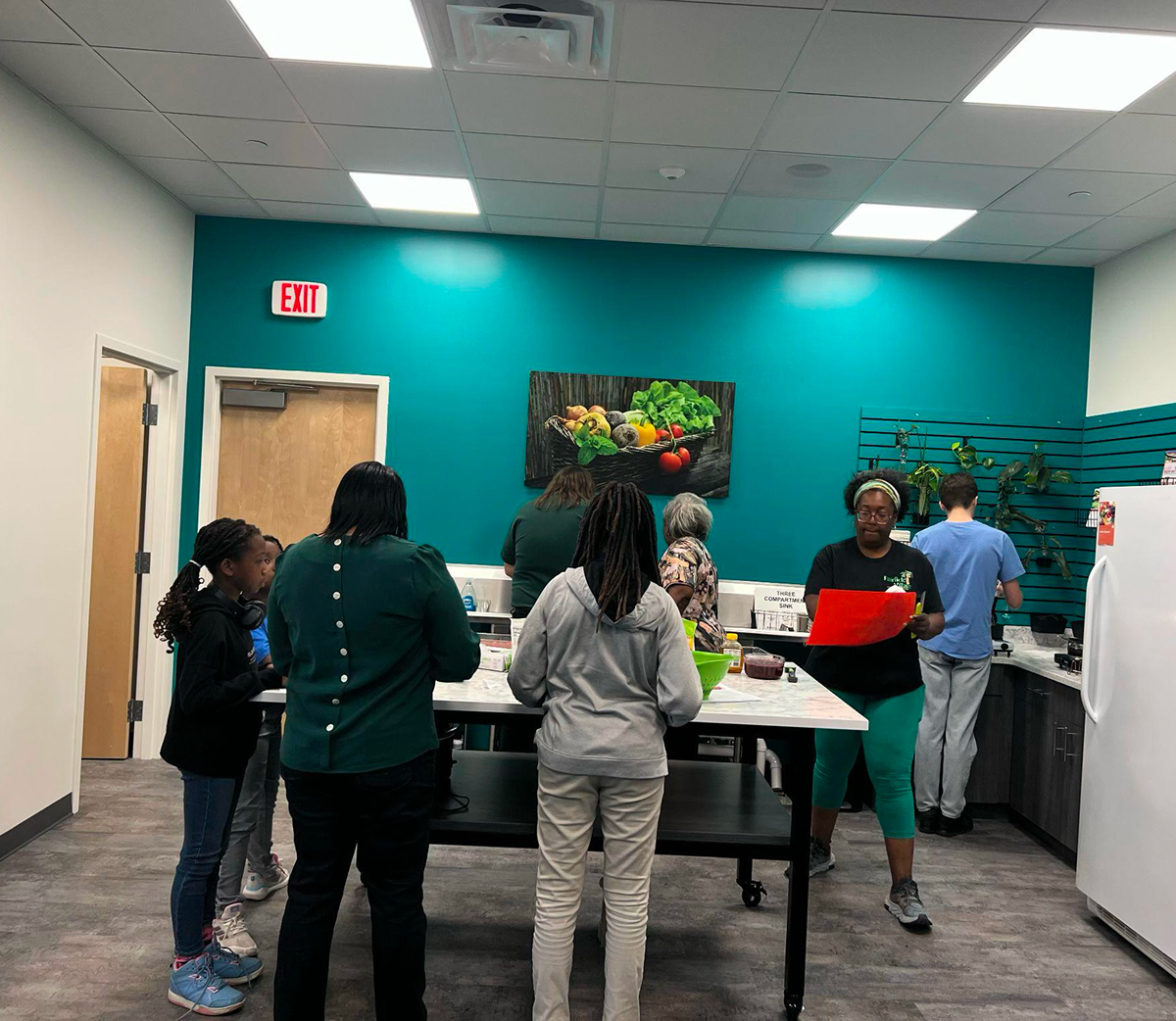
Crim’s 2025 SNAP-Ed Youth Program Evaluation Data:
“I went to the store with my mom to make the Strawberry Spinach Salad recipe again. Are you proud of me? I ate all my spinach and I don’t normally eat vegetables.”~ Student
“I never tried hummus, and I am going to tell my mom I tried it and she will be proud of me.”~ Kindergarten Student
“I told my grannie that beans are good for protein because she can’t eat much meat right now because her teeth are bad, but beans are soft and good for her.”~ 5th Grade Student
Through Crim’s Food Smarts program for adults
These results highlight the tangible impact of hands-on nutrition education, showing that both youth and adults are developing healthier habits, exploring new foods, and gaining confidence in making nutritious choices.
“Spinach is so good for you, however, I don’t like it. With the strawberries this becomes something I’ll enjoy”Adult Participant
“See, you know what you're talking about. I think I'll be back."Adult Participant
“Parents are talking to each other about how to bring healthier options into the home. They noticed that the previous two recipes we made in class their kids loved and the parents did not think the kids would.”Crim Nutrition Coordinator
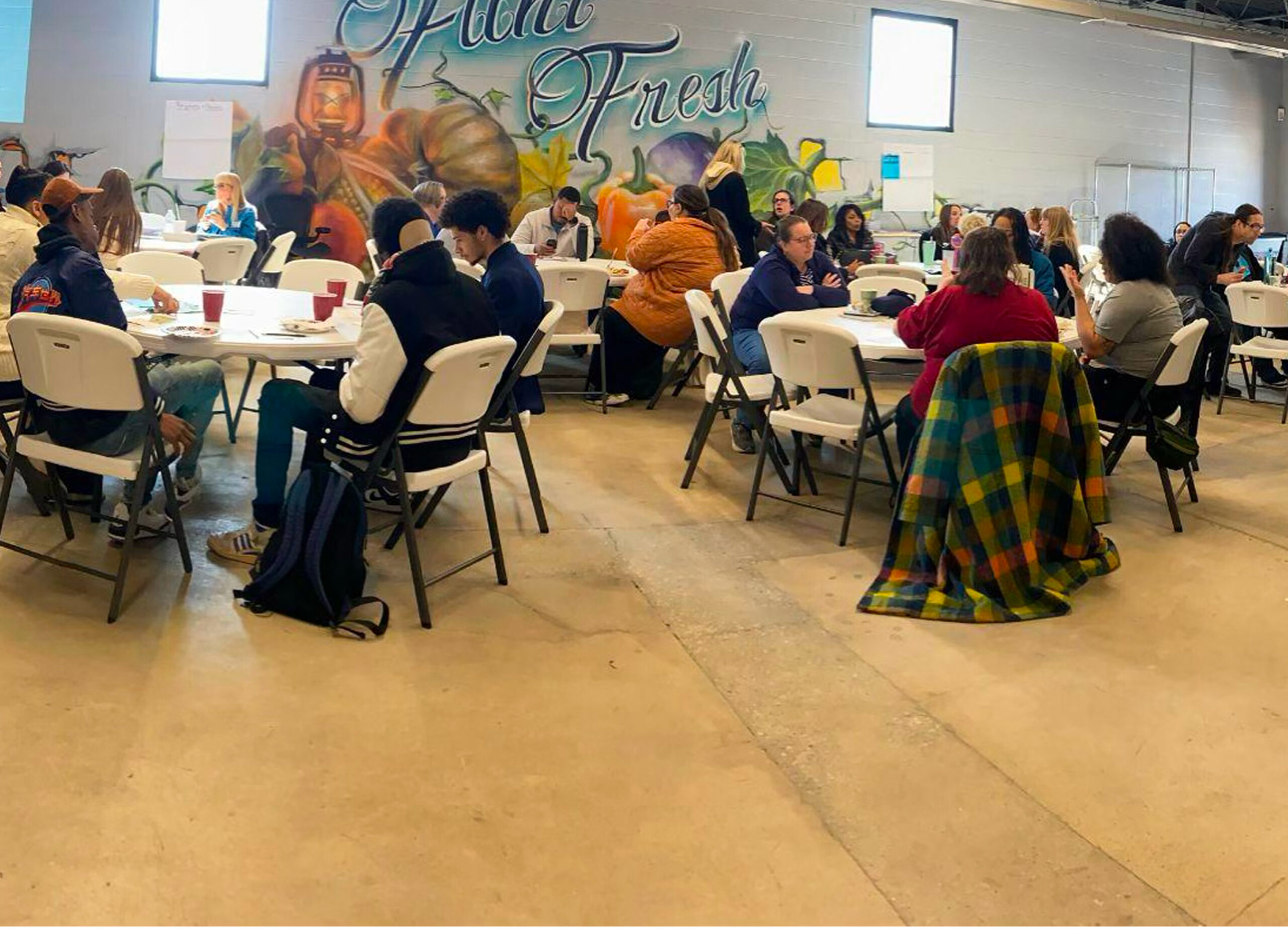
Flint and Genesee Food Policy Council
Crim has also played a foundational role in launching and sustaining the Flint & Genesee County Food Policy Council. This collaborative table brings together residents, organizations, and decision-makers to address food access, equity, and systems change. Through this work, we help elevate resident voices, align cross-sector efforts, and move policy conversations toward meaningful action. The Flint and Genesee Food Policy Council’s mission is to create a network of food champions who work to develop a resilient and reliable local food system rooted in community engagement, collaboration and education.
Why Food Access Matters
Access to healthy, affordable food is more than just nutrition, it is critical to physical, mental, and social wellbeing. Neighborhoods with reliable access to fresh produce and wholesome meals experience better health outcomes, improved mental wellness, and stronger social connections.
Community-based food programs like SNAP-Ed, FoodCorps, and local market initiatives help reduce food insecurity, foster social connection, and empower residents to take charge of their health. Beyond direct education and access, The Crim advances Policy, Systems, and Environmental changes that make healthy choices easier and safer. This includes efforts to create safe, walkable streets so residents can reach grocery stores, community gardens, and recreation spaces, as well as initiatives that improve access to public transit and increase awareness of bus routes and schedules, removing transportation barriers to healthy food and community resources.
By combining education, access, and community based strategies, we help neighborhoods not only meet their immediate food needs but also build the infrastructure and systems that support long-term health and wellbeing.
Our Commitment
In Action
By building on trusted relationships and sustained partnerships, The Crim continues to create momentum, ensuring that neighborhoods are not only engaged but equipped to shape healthier, more equitable food systems now and into the future. Our work extends to Policy, Systems, and Environmental initiatives that promote safe and active transportation, from advocating for walkable streets to improving transit access, ensuring residents can safely reach grocery stores, markets, community spaces, and other resources that support healthy, connected neighborhoods.
Listening deeply to residents, centering community knowledge and lived experience in program design and decision-making
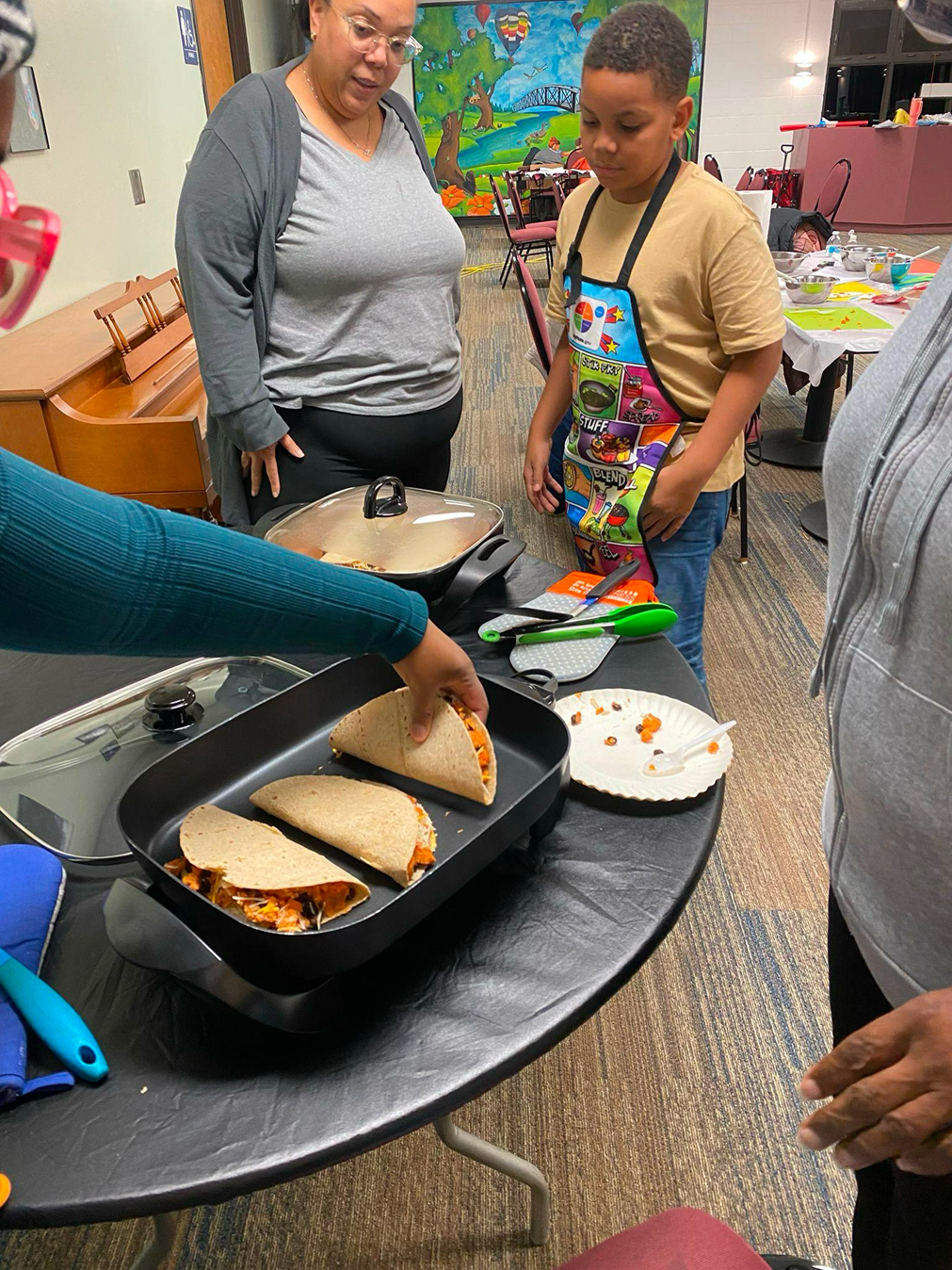
Supporting learning opportunities that empower neighborhoods to lead change, from youth cooking classes to adult nutrition workshops
Coordinating partners across education, food systems, health, and policy sectors to strengthen cross-sector collaboration
Advancing policy, systems, and environmental changes that promote long-term health and equity