Crim Active Transportation
At the Crim Fitness Foundation, active transportation is a core strategy for building healthier, more connected, and more equitable communities. For decades, Crim has worked alongside Flint residents, schools, and partners to improve how people move through their neighborhoods by foot, bike, or public transit, because safe and accessible mobility is foundational to overall wellbeing.
Our approach centers Policy, Systems, and Environmental (PSE) change, ensuring that transportation improvements are sustainable, community-informed, and designed to support people of all ages and abilities.
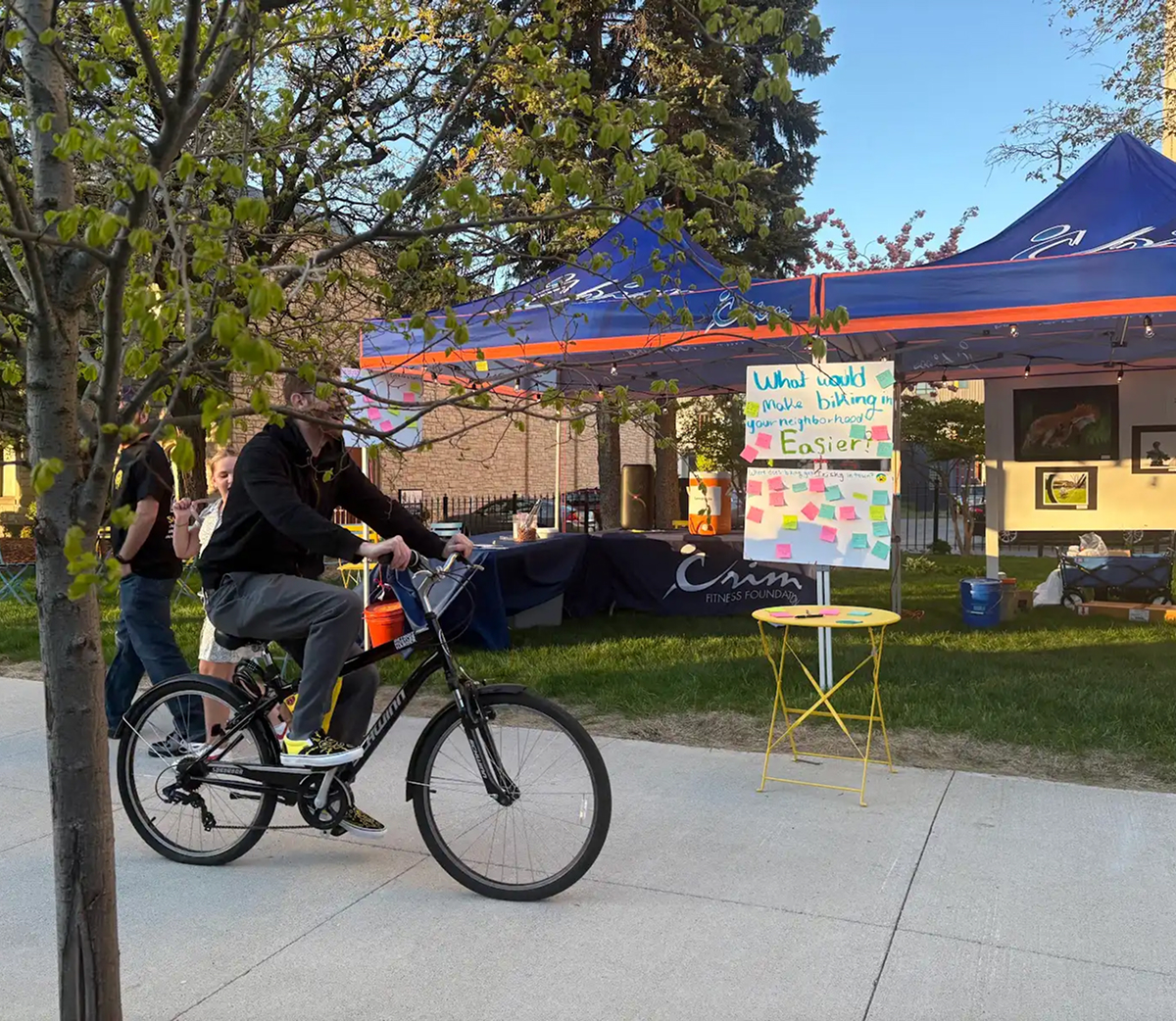
Why Active Transportation Matters
Active transportation is about more than infrastructure; it directly supports physical, mental, and social wellbeing. By improving everyday mobility, active transportation strengthens individual health and community resilience.
Research shows that communities with safe, walkable, and connected transportation systems experience:
Increased physical activity and reduced risk of chronic disease
Improved mental health through reduced stress, increased independence, and stronger neighborhood connection
Greater social cohesion as streets become places for interaction rather than barriers
Improved access to education, employment, healthcare, and community resources
By improving everyday mobility, active transportation strengthens individual health and community resilience.
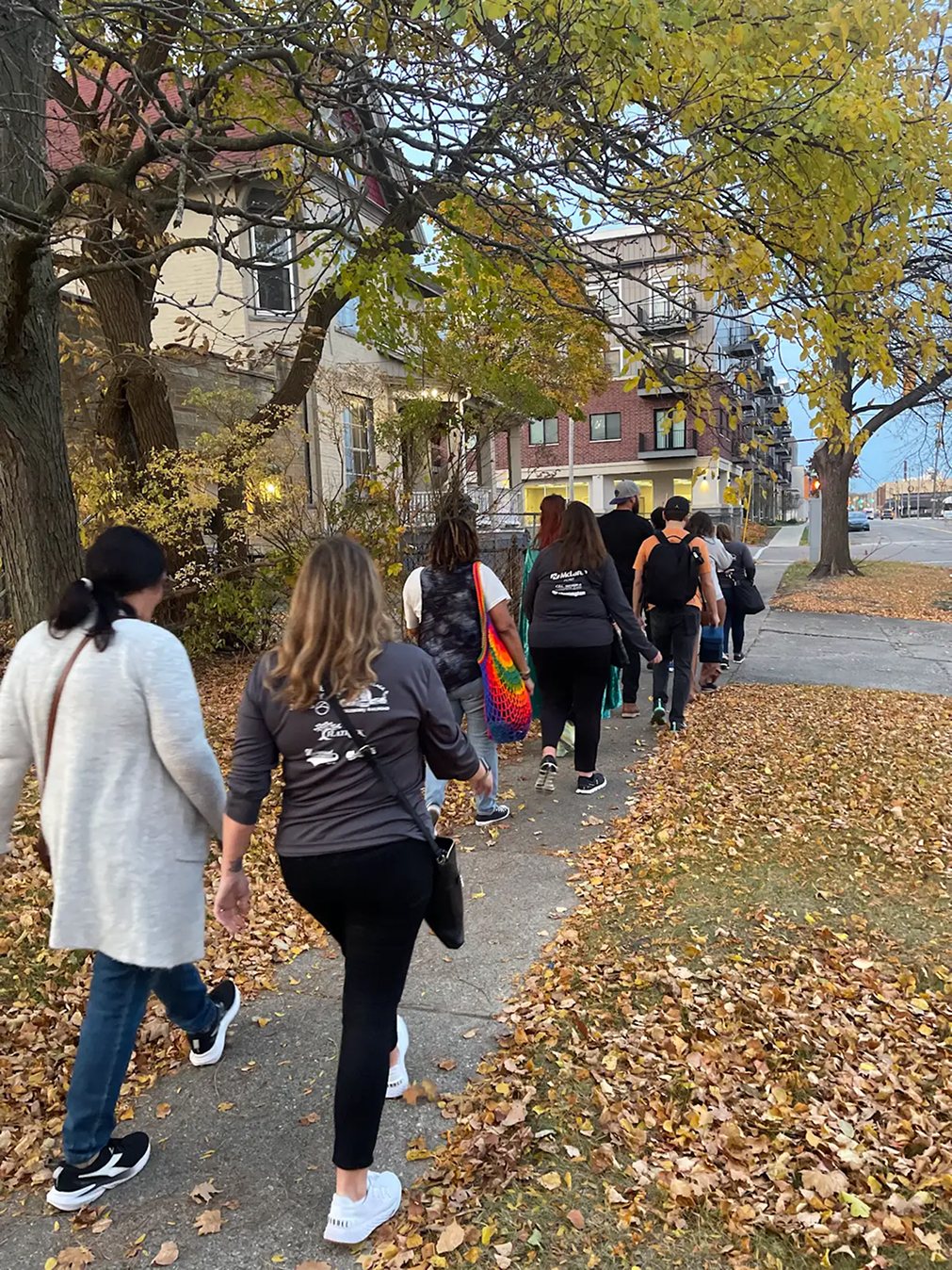
OUR WORK IN ACTION
Crim advances active transportation through community engagement, data-informed planning, and cross-sector collaboration. This work includes:
- Safe Routes to School programming, supporting safer walking and biking conditions for students and families
- Traffic calming and street safety initiatives, including resident-led efforts to reduce speeding and improve pedestrian safety
- Complete Streets and land use analysis, ensuring transportation investments reflect neighborhood needs
- Public transit education and awareness, helping residents better understand routes, schedules, and access
Through initiatives such as the REACH grant, Crim connects transportation planning with broader goals related to health equity, neighborhood vitality, and access to opportunity.
Promoting Active Transit through Community Engagement
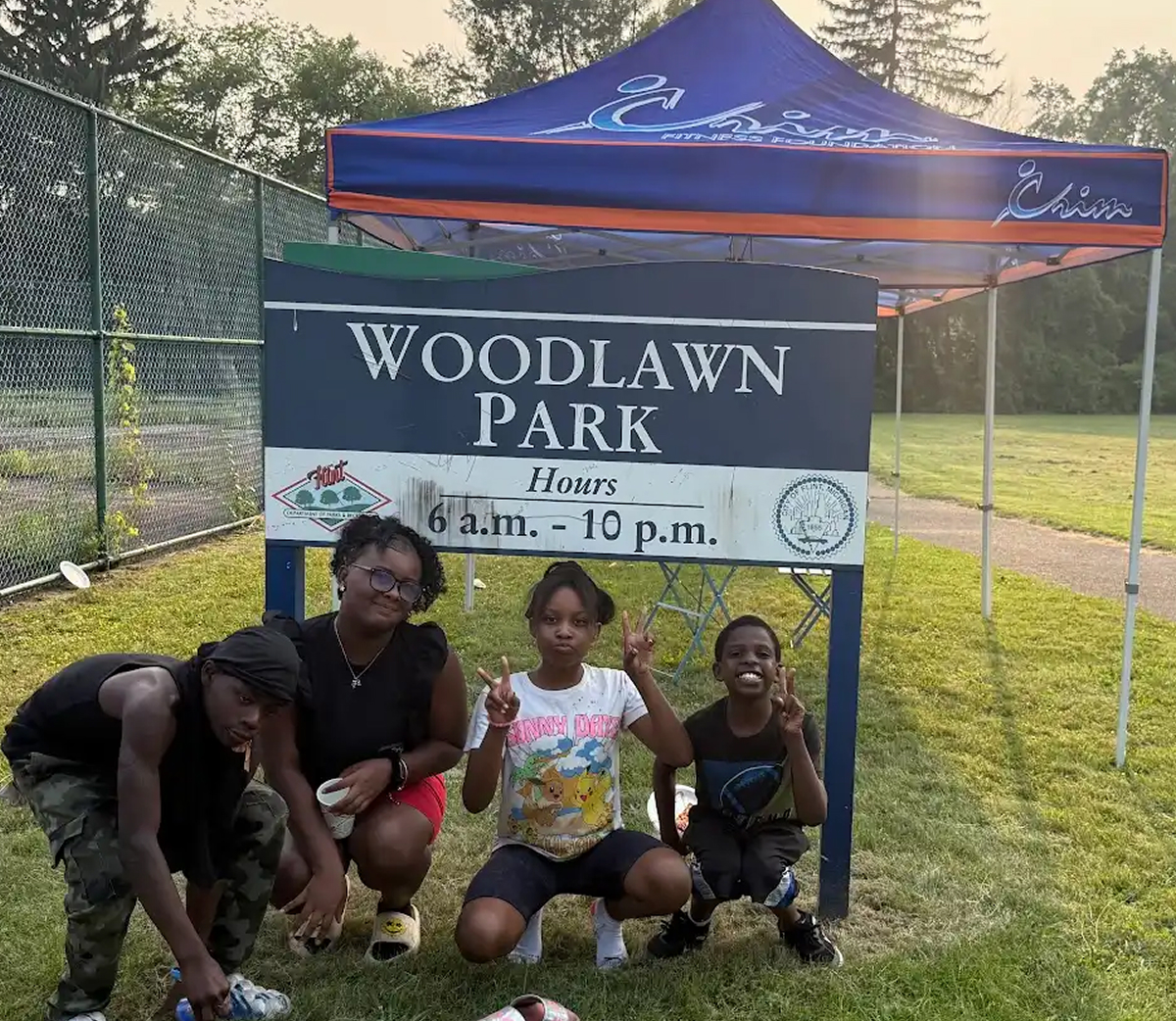
Led by Crim during the summer of 2025, residents from the Woodlawn Park, Central Park, and College Cultural neighborhoods in the City of Flint came together at Woodlawn Park for a community-led engagement focused on park and accessibility improvements. More than 60 residents participated in surveys and conversations about how the park could better serve the community. Residents identified priorities including improved walking paths, additional seating, and enhanced play areas, emphasizing the importance of accessibility, safety, and inclusive design.
This engagement reflects Crim’s commitment to centering resident voices and using community-driven input to guide active transportation and public space improvements that strengthen neighborhood wellbeing.
Impact Story
Improving Walkability for Students: I-475 and School Access
A key example of Crim’s active transportation work is our involvement in efforts connected to the I-475 project, where walkability and pedestrian safety concerns were identified for students attending the International Academy of Flint.
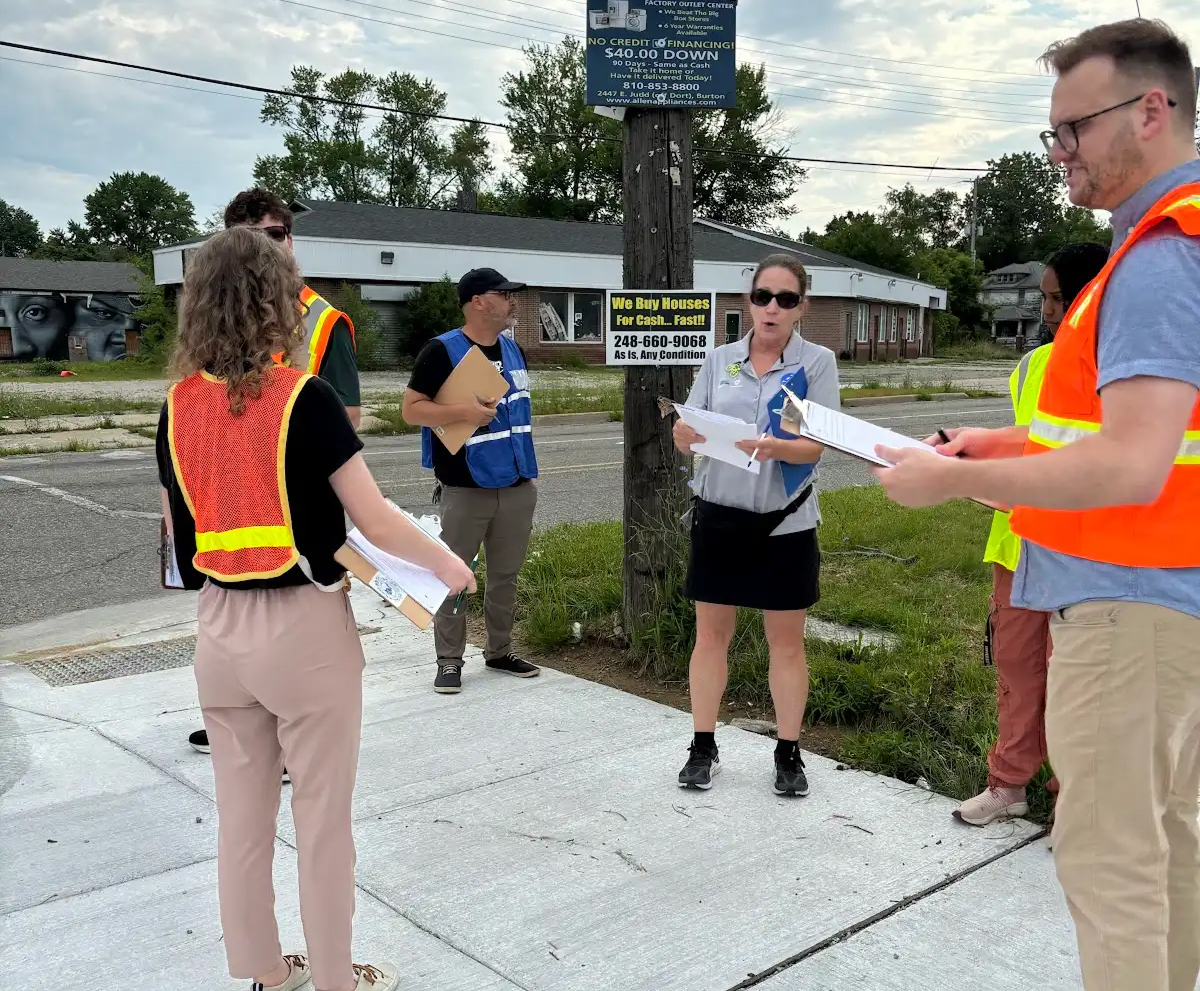
Students, families, and community members highlighted challenges such as unsafe crossings, limited pedestrian infrastructure, and high-speed traffic near school routes. Community members and local stakeholders have voiced concerns that the I-475 corridor historically disrupted neighborhood connectivity, particularly for pedestrians navigating between key community spaces, parks, and schools near the International Academy of Flint. Public engagement conducted as part of the Michigan Department of Transportation’s I-475 Planning and Environmental Linkages study emphasized the need for improved pedestrian crossings and multi-modal connections to address these barriers and support safe, everyday movement for students and families.
Crim helped elevate these concerns through community conversations, planning input, and advocacy, contributing to efforts that prioritize safer pedestrian access, improved crossings, and more walkable routes to school. This work was strengthened by an existing partnership between one of Crim’s nutrition educators and the International Academy of Flint, where long-standing relationships with students, families, and school staff helped build trust and participation. By leveraging this connection, Crim was able to support meaningful engagement and successful data collection, ensuring that student and family perspectives informed the planning process. This approach reflects Crim’s commitment to ensuring that young people can navigate their neighborhoods safely, confidently, and with their voices reflected in community decisions.
“One local planner observed that I-475 severs physical and psychological pedestrian connections between neighborhoods and activity centers, such as parks near International Academy.”
~ According the Flint Beat
A History of Community-Led Change
Crim’s active transportation work has evolved over time, from encouraging physical activity to shaping systems-level change. Through resident engagement, partnerships, and evaluation, Crim has helped shift local conversations to recognize transportation as a health, equity, and quality-of-life issue.
Residents have played a central role in:
Advocating for safer walking environments near schools, parks, and community spaces
Identifying unsafe routes and intersections
Informing traffic calming and Complete Streets discussions
Increasing awareness of transportation options that support independence and connection
This work aligns with Crim’s broader commitment to neighborhood resilience, including leadership in efforts like Strong Towns Flint, where transportation, land use, and fiscal sustainability intersect to support long-term community wellbeing.
LOOKING AHEAD
Crim continues to build on trusted relationships to advance safe, active, and equitable transportation systems across Flint and Genesee County. By aligning resident voices, student experiences, research-informed strategies, and policy change, we are helping create neighborhoods where movement supports health, connection, and opportunity for all.